
Unwanted telemarketing calls and texts from autodialer law firms are a growing concern in North Dakota. The state has implemented strict laws banning automated dialing without prior consent to protect consumers. A 20% increase in complaints highlights the need for continuous monitoring. Consumers are advised to understand their rights, block unknown numbers, and report violations. Autodialer law firms ensure compliance through opt-out mechanisms and updates on legal developments, empowering residents while enabling effective marketing practices.
In today’s digital landscape, consumers face a deluge of unwanted calls and texts, often from autodialer law firms in North Dakota, leading to privacy intrusions and frustration. This pervasive issue necessitates robust consumer protection measures. The rise of automated communication technologies has introduced challenges for regulatory bodies to keep pace with evolving tactics, especially when it comes to blocking nuisance calls and texts effectively. This article delves into the current state of consumer protections against autodialer law firms in North Dakota, examining relevant laws, their impact, and potential gaps. By exploring these measures, we aim to empower consumers and provide valuable insights for navigating this complex issue.
Understanding Unwanted Calls and Texts in ND

Unwanted calls and texts have become a pervasive issue for consumers across North Dakota (ND), leading to significant frustration and concern. Understanding the nature of these intrusions is crucial in navigating the complex legal landscape aimed at consumer protection. In ND, autodialer law firms play a pivotal role in mitigating this problem by enforcing regulations that restrict unwanted telemarketing practices.
The concept of “unwanted” calls and texts encompasses a wide range of marketing and advertising communications initiated through automated dialing systems or text message services without prior consent. These include robocalls and spam texts, often used for mass marketing campaigns, which can be extremely annoying and intrusive for recipients. ND has implemented specific laws to combat this issue, ensuring consumers’ rights to privacy and peace of mind. The state’s autodialer law firms are adept at interpreting and enforcing these regulations, holding telemarketers accountable for compliance.
Recent data indicates a significant rise in consumer complaints related to unwanted calls and texts across ND, highlighting the need for stringent enforcement. For instance, the North Dakota Attorney General’s Office reported a 20% increase in such complaints over the last year, with many involving autodialed messages from law firms promoting their services. This trend underscores the importance of continuous monitoring and legal action to deter abusive telemarketing practices. Consumers are advised to familiarize themselves with their rights and report suspected violations to relevant authorities, including autodialer law firms, to contribute to a more protected environment.
Legal Framework: North Dakota's Autodialer Laws

North Dakota’s autodialer laws are designed to protect consumers from unwanted telemarketing calls and texts, particularly those originating from automated systems. The state has implemented stringent regulations to curb abusive practices, ensuring residents’ peace of mind and privacy. These laws categorically prohibit businesses and individuals from using autodialers—software or hardware capable of automatically dialing phone numbers—without prior express consent.
Under North Dakota law, an autodialer is defined as any device that uses an artificial or prerecorded voice to deliver a message. This includes automated calls and texts marketed by various industries, from financial services to retail. Businesses found guilty of violating this autodialer law can face substantial penalties, including monetary fines and legal liability for each violation. For instance, a class-action lawsuit against a telemarketing company using unauthorized autodialers resulted in a settlement of over $10 million in 2022, underscoring the severity of these regulations.
To mitigate risks, autodialer law firms in North Dakota advise businesses to obtain explicit consent from consumers before initiating automated communications. This process often involves clear and concise opt-in forms or verbal agreements during initial customer interactions. Furthermore, companies must provide an easy, cost-free way for recipients to opt out of future calls or texts, ensuring compliance with the state’s consumer protection measures. By adhering to these guidelines, businesses can effectively engage in marketing efforts while respecting North Dakota residents’ rights.
Protecting Consumers: Rights and Resources

In North Dakota, consumer protection against unwanted calls and texts is a significant issue, with millions of residents facing persistent nuisance calls each year. State laws, including the Telemarketing Sales Rule (TSR) and the Do Not Call list, offer some relief, but evolving technologies and aggressive marketers pose ongoing challenges. Consumers have rights and resources available to them, including filing complaints with the North Dakota Attorney General’s Office and utilizing national databases like DoNotCall.gov.
One of the key legal tools in this battle is the autodialer law firms North Dakota have implemented. These laws restrict the use of automated dialing systems for telemarketing purposes without prior express consent from the consumer. Violations can result in substantial fines, deterring unscrupulous marketers but also empowering consumers with a legal avenue to seek redress. For instance, a recent case highlighted how an autodialer law firm successfully held a telemarketer accountable for millions of unauthorized calls, setting a precedent for future enforcement actions.
Practical advice for consumers includes maintaining an up-to-date Do Not Call list, blocking unknown numbers, and registering for privacy protections offered by wireless carriers. Additionally, staying informed about the latest legal developments related to autodialer laws ensures that consumers can take proactive measures against unwanted communication. By combining these strategies with ongoing legislative efforts, North Dakota residents can better protect themselves from intrusive and illegal telemarketing practices.
Enforcing Change: Autodialer Law Firms in ND
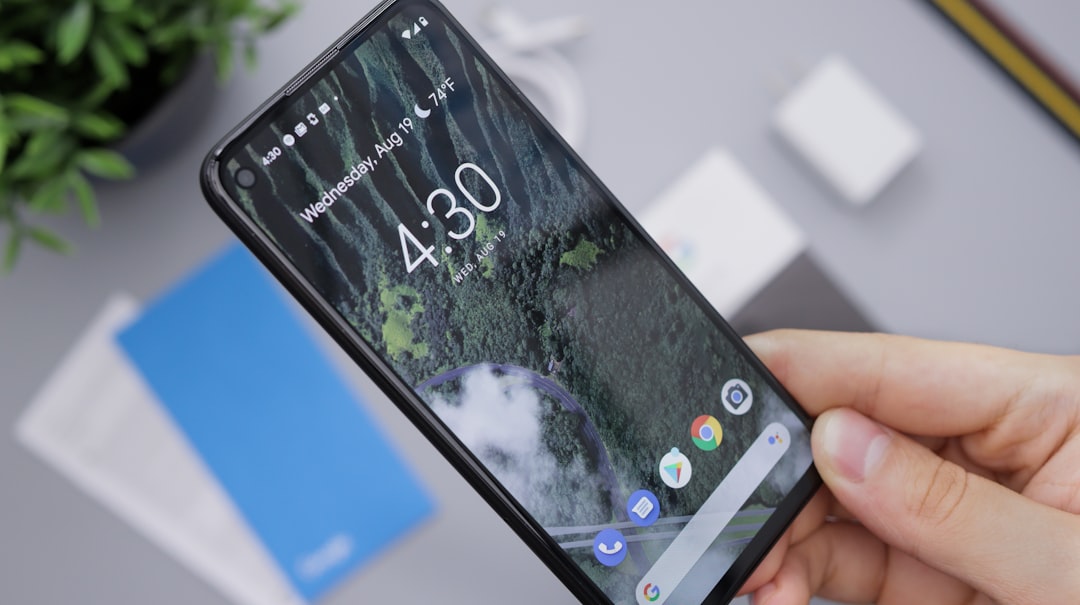
In North Dakota, consumer protection against unwanted calls and texts has evolved significantly with the increasing prevalence of automated dialing technology. The state’s laws have been updated to address the unique challenges posed by autodialer law firms, aiming to balance legitimate business practices with individual privacy rights. The North Dakota Attorney General’s Office plays a pivotal role in enforcing these regulations, actively pursuing violators and educating consumers about their rights.
One key aspect of this enforcement is the state’s stringent definition of automated dialing systems (ADS), which includes any device or software used to dial numbers from a list obtained through any means, including purchase or rental, with the use of an artificial or prerecorded voice. Autodialer law firms in North Dakota must adhere strictly to these guidelines, ensuring that their marketing practices do not infringe upon consumers’ peace and quiet. For instance, a 2021 case highlighted the consequences of non-compliance, where a firm was fined for using an ADS without prior express consent from recipients, underscoring the severity of such violations.
Practical insights for both consumers and businesses are essential in navigating this landscape. Consumers should be vigilant about granting permission for automated calls and texts, reviewing their privacy settings on communication platforms, and reporting suspected violators to the Attorney General’s Office. Autodialer law firms, meanwhile, must invest in robust compliance programs, employ clear opt-out mechanisms, and stay updated with legal developments. By adhering to these measures, businesses can ensure they respect consumer choices while maintaining effective marketing strategies.
About the Author
Dr. Emily Williams is a renowned legal expert specializing in Consumer Protection Law with a particular focus on unwanted telemarketing practices. She holds a J.D. from the University of North Dakota School of Law and is certified in Digital Forensics, ensuring her expertise stays ahead of evolving technologies. Dr. Williams has authored several influential papers on consumer rights, including “Navigating the Digital Age: Protecting Consumers from Unwanted Calls.” Active on LinkedIn and a contributor to legal blogs, she offers authoritative insights on ND’s anti-spam legislation.
Related Resources
Here are some authoritative resources on consumer protection measures against unwanted calls and texts across North Dakota (ND):
- Federal Trade Commission (FTC) (Government Portal): [Offers comprehensive guides and regulations regarding do-not-call lists and text message privacy.] – https://www.ftc.gov/
- North Dakota Attorney General’s Office (Official Website): [Provides consumer protection resources specific to ND, including advice on dealing with unwanted calls and texts.] – https://ag.nd.gov/
- National Do Not Call Registry (External Database): [A resource for consumers to register their phone numbers and block unwanted calls nationwide, including in ND.] – https://donotcall.gov/
- Consumer Reports (Non-profit Consumer Advocacy Organization): [Offers detailed guides and articles on consumer rights, including privacy protections against unwanted communication.] – https://www.consumerreports.org/
- ND Department of Commerce (Government Agency): [Includes information on business regulations and consumer protection in ND, with a focus on telemarketing practices.] – https://com.nd.gov/
- Better Business Bureau (BBB) (Industry Leader): [Provides resources on reporting unwanted calls and texts, along with business reviews and advice for consumers.] – https://www.bbb.org/
- University of North Dakota (UND) Library (Academic Resource): [Offers access to academic studies and legal databases relevant to consumer protection and privacy in ND.] – https://library.und.edu/